

Dean's message
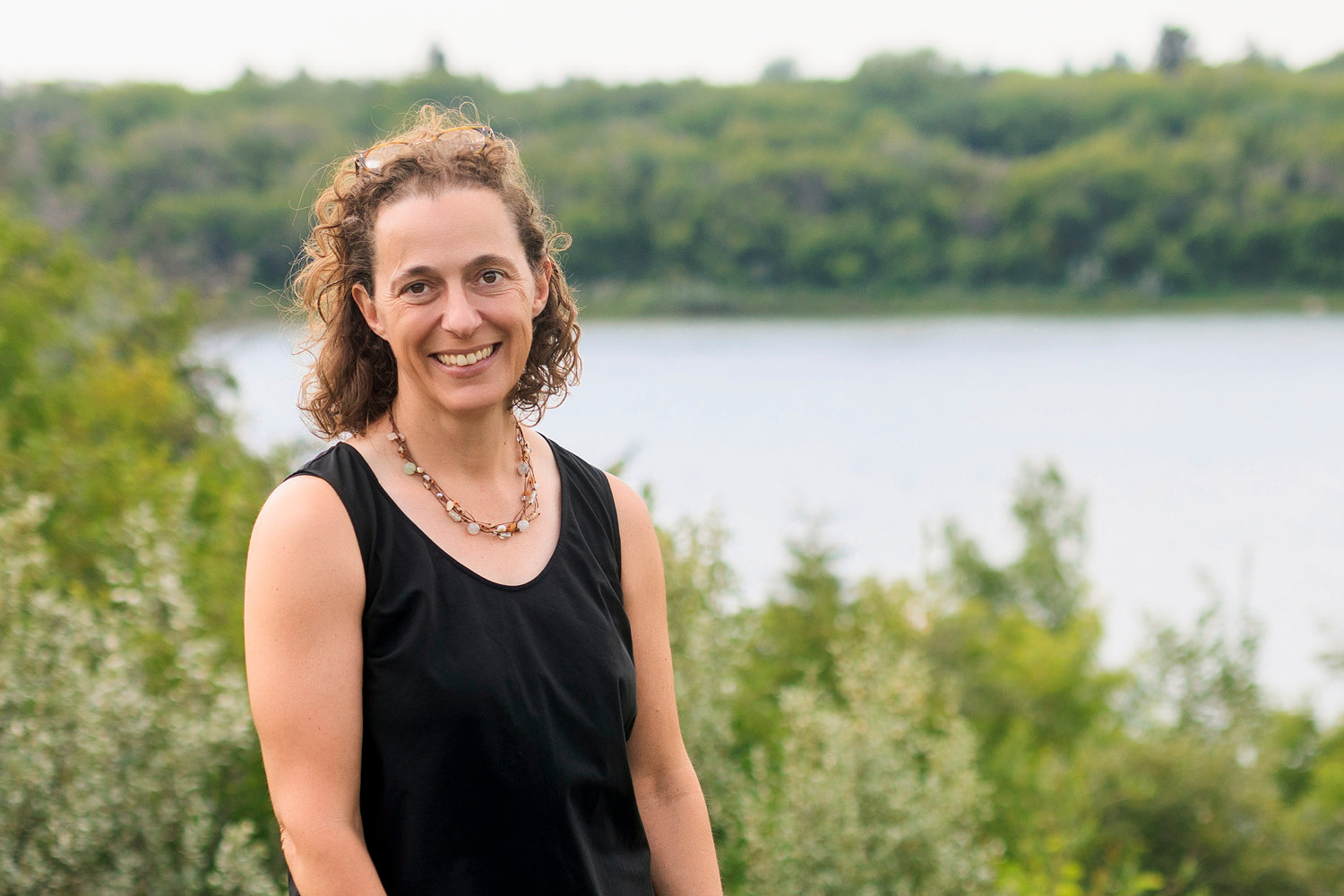
Dean Angela Bedard-Haughn reflects on the past year.
As I settle into my second term as Dean, I find myself marvelling at how quickly six years have flown by and how much has changed in that time. Our evolving student body makes sure we are always aware of the constant march of time, but between retirements and recruitments, there are many new faces around the building!
College-wide faculty renewal continues. We are now up to 19 new faculty in the last few years, with five more searches in progress – nearly one-third of our faculty! Every one of these new faculty members brings new ideas that will enrich our teaching and research, and each will cultivate new relationships with the communities we serve. As you soak in this issue, you’ll be introduced to several of those new faculty, including Drs. Tia McDonald, Kaidi Wang, Bailey Peterson-Wilhelm, Flavia van Cleef and Adam Carter (PhD).
With all this change, it was time for the College of Agriculture and Bioresources (AgBio) to develop a new strategic plan. Naturally, it talks about what we do, with a strong emphasis on experiential learning and impactful research, but importantly, it also talks about how we will do it, focusing on community engagement, inclusivity and leadership, and a greater emphasis on bringing multiple perspectives together to tackle complex challenges.
In this issue, you can see these priorities in action. You can check out the work that Jordie Gagnon has been doing to support Indigenous programming in the college. Or learn more about how grad student Teresa Aguiar-Cordero co-founded an app to study new management practices for key insect pests that are threats to some of the crops that we produce here to feed the world. Or how Ty Anaka is bringing together soil science, alfalfa varieties, annual crops and the Canadian Light Source to understand how we can better manage our salt-affected soils. This is work that can only be done here at the University of Saskatchewan but could benefit production systems with salinity challenges anywhere.
This local-to-global perspective is innate to AgBio, and it is also reflected in the new university-wide strategic plan being developed under the direction of our new President, Vince Bruni-Bossio.
We are excited for where we are going and at the same time, proud of where we’ve been. This issue highlights a couple of our excellent alumni at different career stages (Morgan Lehmann BSA ‘24 and Colin Rush BSA ‘98) and shows how their time in AgBio set them up for success. We are also so grateful for the support of our many donors. I hope you enjoy learning more about the legacy of Gordon and Eileen Bonnor, and how their gift will support student success for years to come.
One of my favourite parts about Agknowledge is the opportunity to share all of these stories about our AgBio family, students, staff, faculty, alumni and donors. You all continue to amaze me with your passion for growing our future – I hope you find this issue as inspiring as I have!