

Celebrating women in science
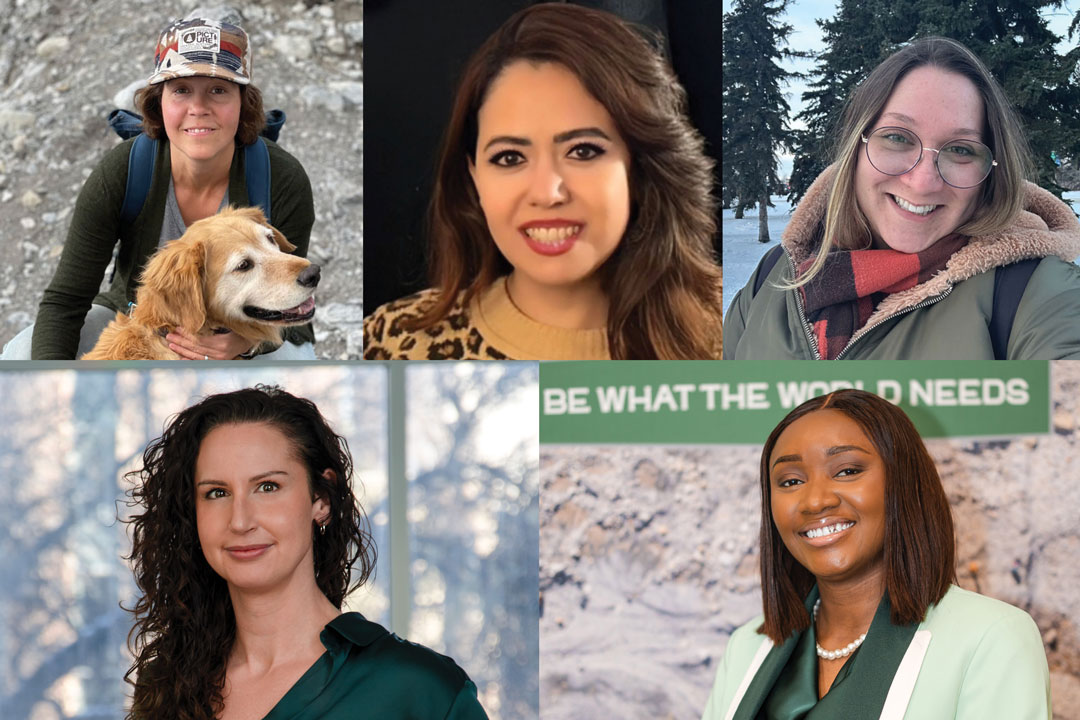
International Day of Women and Girls in Science is celebrated on February 11 to promote equal opportunities for women and girls in science, technology, engineering and math (STEM). To celebrate, the University of Saskatchewan (USask) College of Agriculture and Bioresources is featuring five women who are making a difference in their field.
By AgBio CommunicationsKim Janzen
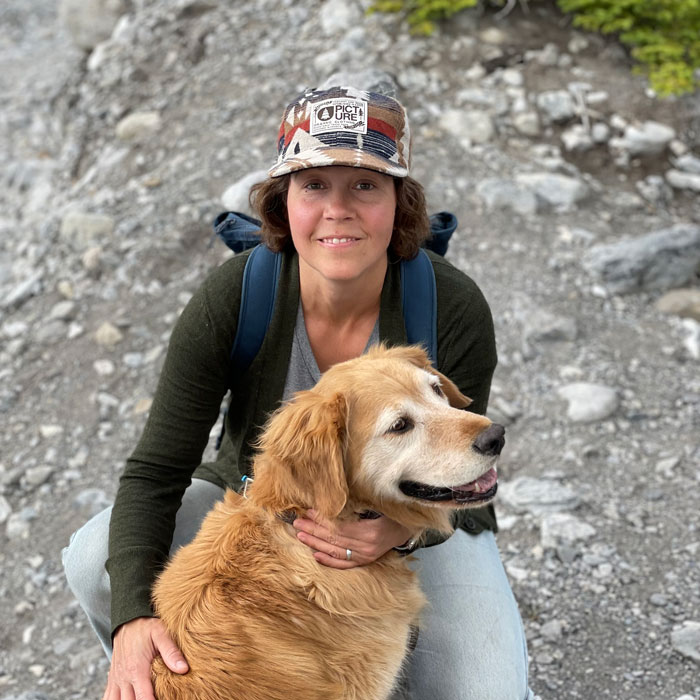
As the lab manager and technician for the Department of Soil Science, and the McDonnell Hillslope Hydrology and Stable Isotope Labs, my primary responsibilities include running samples for some of the most commonly used stable isotopes in agriculture and the natural sciences, as well as maintaining the specialized equipment required for this work.
I collaborate closely with hydrologists who use the stable isotopes of hydrogen and oxygen as naturally occurring tracers to track the movement of water through the hydrological cycle—a method that allows scientists to trace water from a raindrop to soil moisture, streams, lakes, and even the ocean. Our lab also supports ecohydrologists interested in understanding where grasslands, forests, and crops source their water and how land‑use change influences these dynamics.
In agricultural research, stable isotopes of carbon and nitrogen are used to study nutrient cycles and identify the pools from which these essential resources originate. This work extends into microbiology and even to the measurement of greenhouse gases produced through respiration and off‑gassing. All of these efforts contribute to advancing sustainability and agricultural productivity.
A significant part of my day involves working with students and research groups to ensure they receive high‑quality, reliable data. As a technician in a lab, it is important to attend student talks and presentations to remind yourself how all the detailed work you do fits into the bigger picture. It’s always inspiring.
Dr. Luíza Favaratto (PhD)

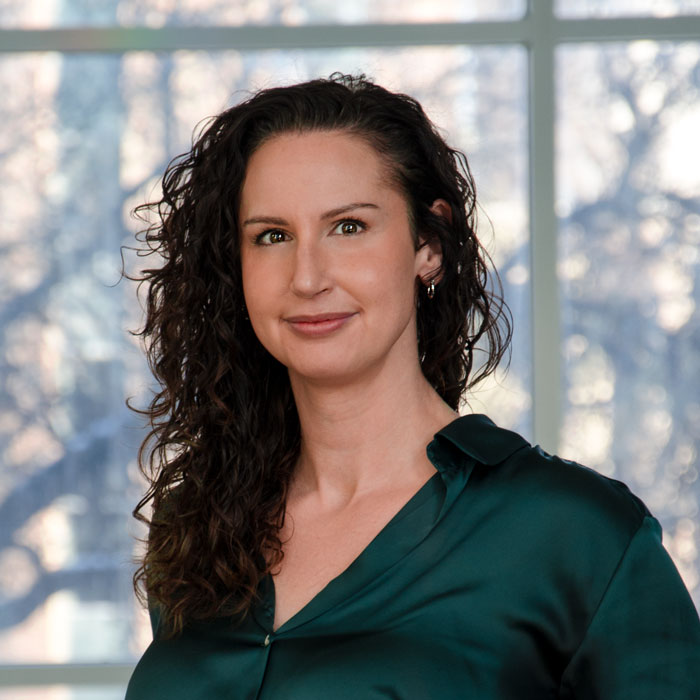
I am a post-doctoral fellow working with Dr. Stuart Smyth (PhD) in the Department of Agricultural and Resource Economics. My research focuses on genetically edited and modified organisms, with particular emphasis on the development of those organisms, their biosafety, regulatory frameworks, and risk assessments.
Throughout my career, I have led interdisciplinary projects ranging from waste reuse technologies, such as second-generation ethanol production, to the study of life in extreme environments like the deep sea, and gene editing crops for virus resistance. Currently, my work focuses on advancing the adoption of these technologies and raising awareness of their role in addressing food insecurity and the climate crisis.
In science, I see a powerful opportunity to build a more equitable and sustainable future through resilient crops, improved nutrition, and effective science communication.
Racquelle Peters
I am a research officer in the Department of Plant Sciences’ Agronomic Crop Imaging Lab. I oversee a range of field crop studies including a collaborative weed science research initiative. I get to work closely with our USask team to connect field-based measurements with remote sensing imagery to study crop responses across environments and management practices.
The most rewarding part of agricultural science is its practical impact—from one field to an entire production system.
Roseline Ogory

I am currently a research technician in the Department of Animal and Poultry. My work focuses on supporting animal nutrition research, including project planning, data collection, documentation, and communication of research findings. I contribute to studies evaluating alternative and sustainable feed ingredients to improve animal nutrition and production outcomes, while working closely with faculty, technical staff, and students to ensure research activities are conducted accurately and efficiently.
I am passionate about science because it allows me to ask meaningful questions and turn evidence into solutions that improve lives. Science gives me the opportunity to contribute to sustainable food systems and to support decisions that have real-world impact on agriculture, animal nutrition, and communities.
Dr. Shahrzad Sharifimehr (PhD)
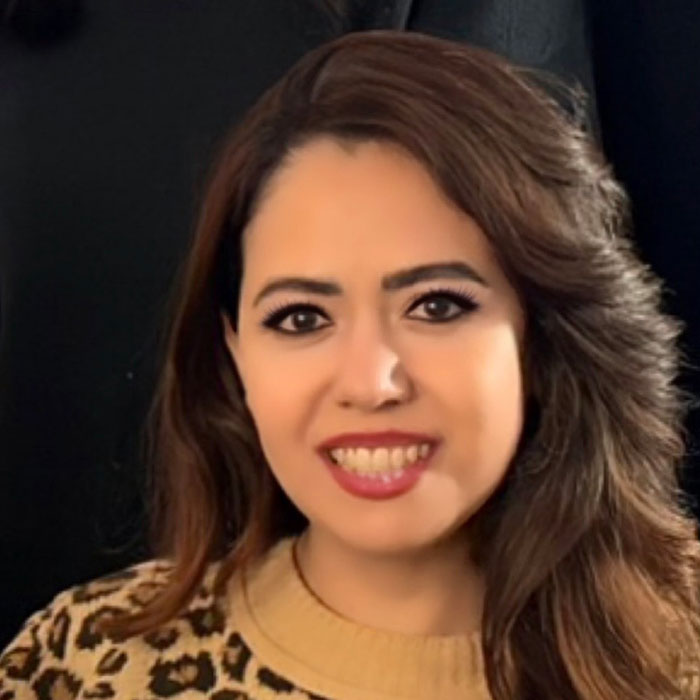
I am a post-doctoral fellow in the Department of Food and Bioproduct Sciences, working on transforming hemicellulose, one of the main natural carbohydrates that forms the structure if plant cell walls and is one of the most abundant biopolymers in nature, a high-performance natural ingredient, with the goal of discovering new and innovative applications for it in food systems and beyond. My current research focuses on understanding its structure and properties to upgrade this underused biopolymer into a valuable material with broad potential across different fields.
In my future research, I will also work on protecting oils in foods from oxidation by using natural compounds, building on my PhD work in plant proteins and antioxidants. Overall, my research is driven by the idea of turning natural materials into smart, high value ingredients that can improve product quality, stability, and human health.
I have always been driven by curiosity and a deep need to understand the ‘why’ behind everything. Science became my path because it allows that curiosity to turn into discovery. Food science, for me, is especially powerful because it blends creativity with real world impact.
One of my lifelong passions has been astronomy and the mystery of space, and I have always been fascinated by the idea of designing food for astronauts. My ultimate goal is to reach that frontier one day. It feels like a beautiful intersection of science, imagination, and purpose. Working with plant proteins, antioxidants, and natural materials, I see science not just as a career, but as a lifelong passion to create healthier solutions and explore new possibilities for the future.