

New Sprott Awards support Indigenous graduate students
The College of Agriculture and Bioresources has launched two new awards to recruit and recognize Indigenous graduate students.
By Brett MakulowichThe new Sprott awards recognize resilience, leadership and academic potential for Indigenous graduate students studying at the College of Agriculture and Bioresources (AgBio) at the University of Saskatchewan (USask). These financial awards help remove barriers to success for Indigenous students.
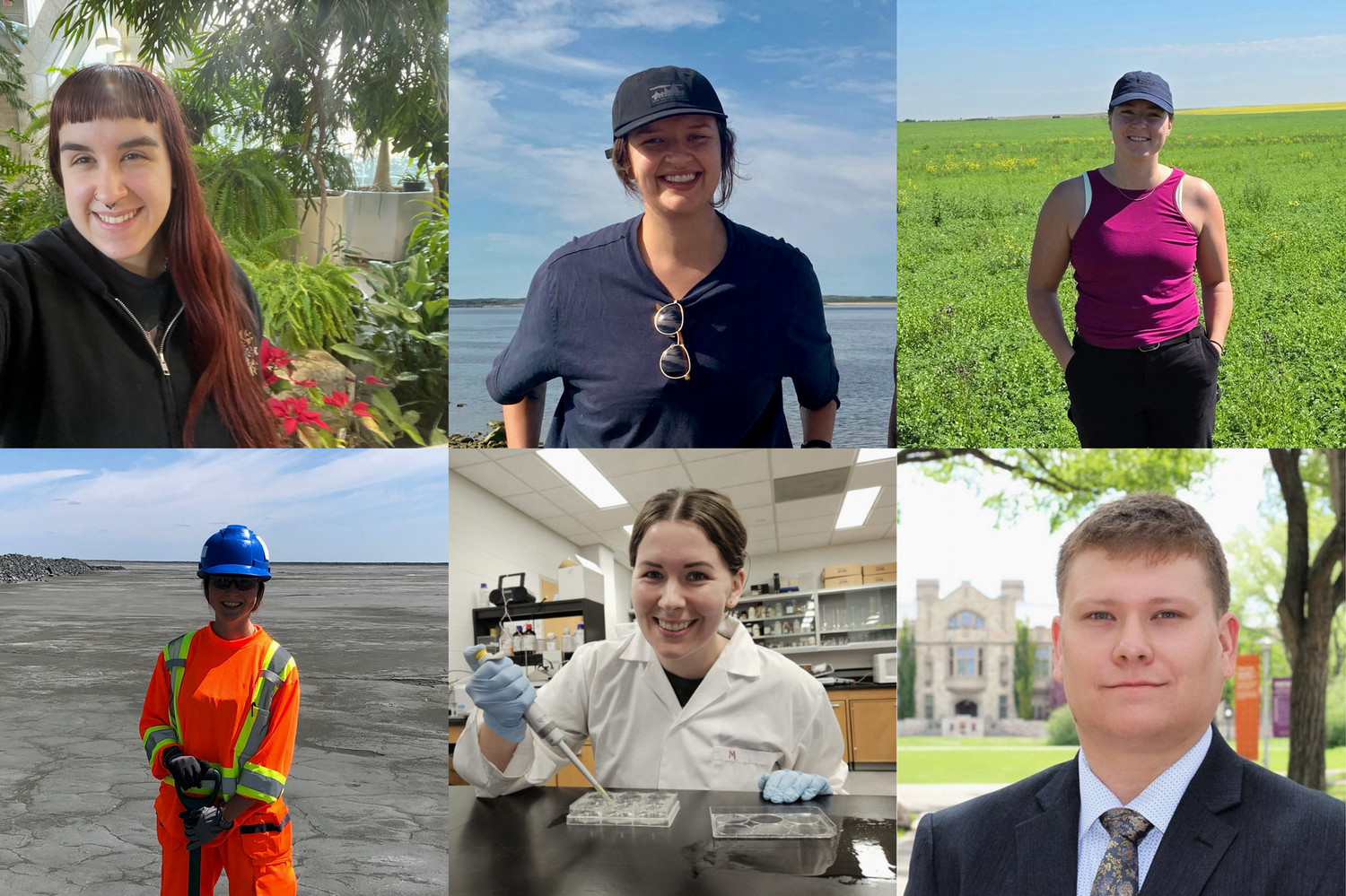
The Sprott Indigenous Graduate Scholar Award is awarded to a new student entering a thesis-based graduate program. It is a renewable award valued at $25,000/year for a MSc student and $30,000/year for a PhD student. This year’s recipients are Taya Fedorchuk and Kim Lebel. The Sprott Indigenous Graduate Achievement Award is valued at $5,000 and is awarded to a current student in a thesis-based graduate program. This year’s recipients are Bella Amyotte, Jolynn Amyotte, Morgan Fleming and Jeremy Irvine. The award recipients’ graduate research showcases the innovation and range of research in AgBio!
Taya Fedorchuk
Research project: Growing horticulture crops in northern climates in hydroponic greenhouse conditions
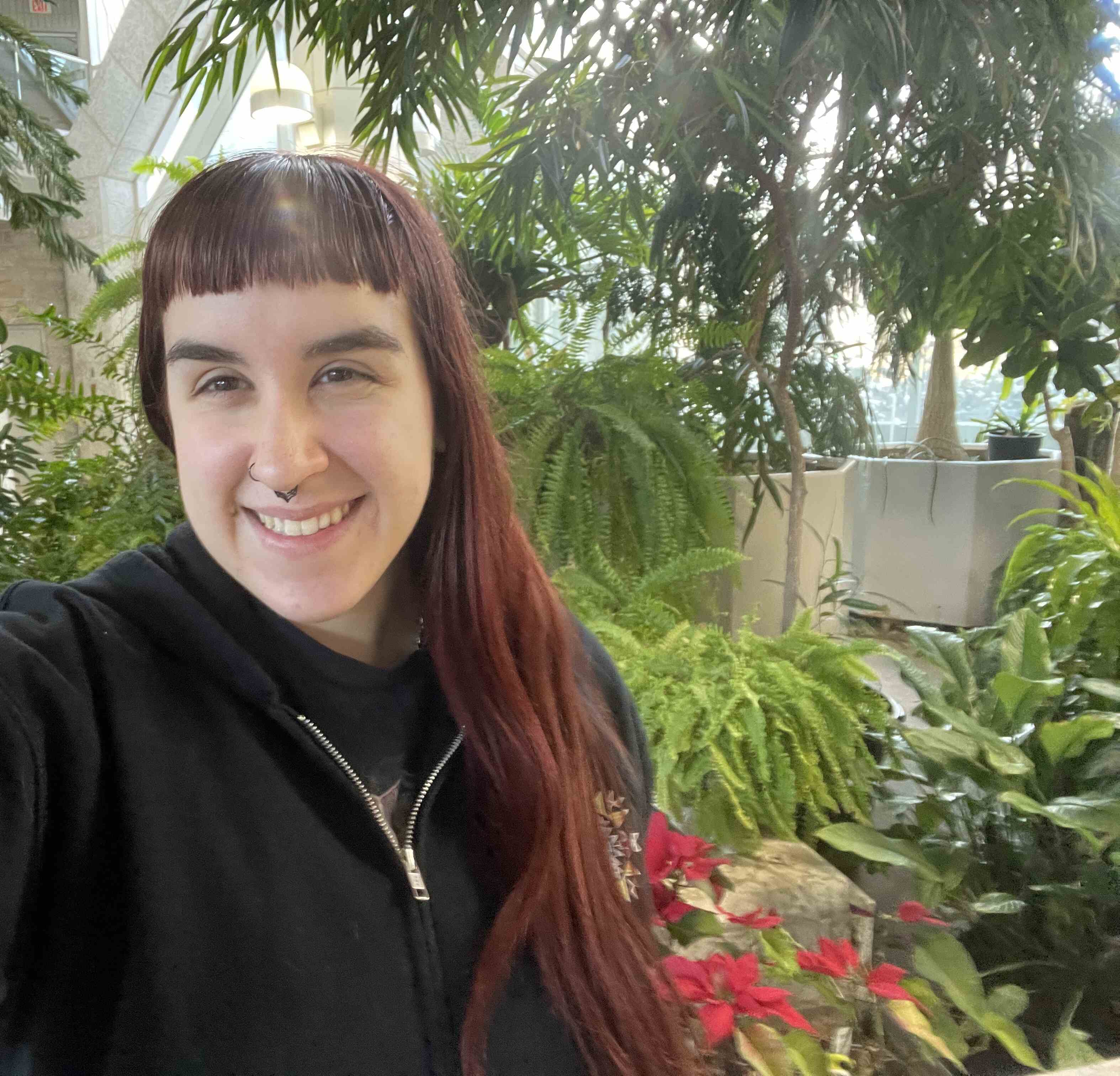
Taya Fedorchuk is completing the Bachelor of Science in Agriculture (major in Horticulture Science) program and is set to enter the Plant Sciences master’s program with Dr. Tim Sharbel (PhD) as a thesis supervisor. Fedorchuk is a member of Okanese First Nation.
“My project focuses on growing both vegetable and medicinal plants in small hydroponic greenhouse facilities within a Northern community,” said Fedorchuk. “The research will take place in the Métis community of Pinehouse Lake in Northern Saskatchewan.”
“By introducing a climate‑controlled growing unit, this project strengthens local food sovereignty and ensures reliable, year‑round access to affordable, nutritious produce. It also provides hands‑on training for community members and youth, helping them develop practical skills in local food production and contributing to long‑term regional food security. In the future, I hope to expand this work to other Indigenous communities across the country.”
Kim Lebel
Research project: Non-invasive evaluation of reproductive success and recruitment in the Eastern Migratory Cape Churchill caribou herd
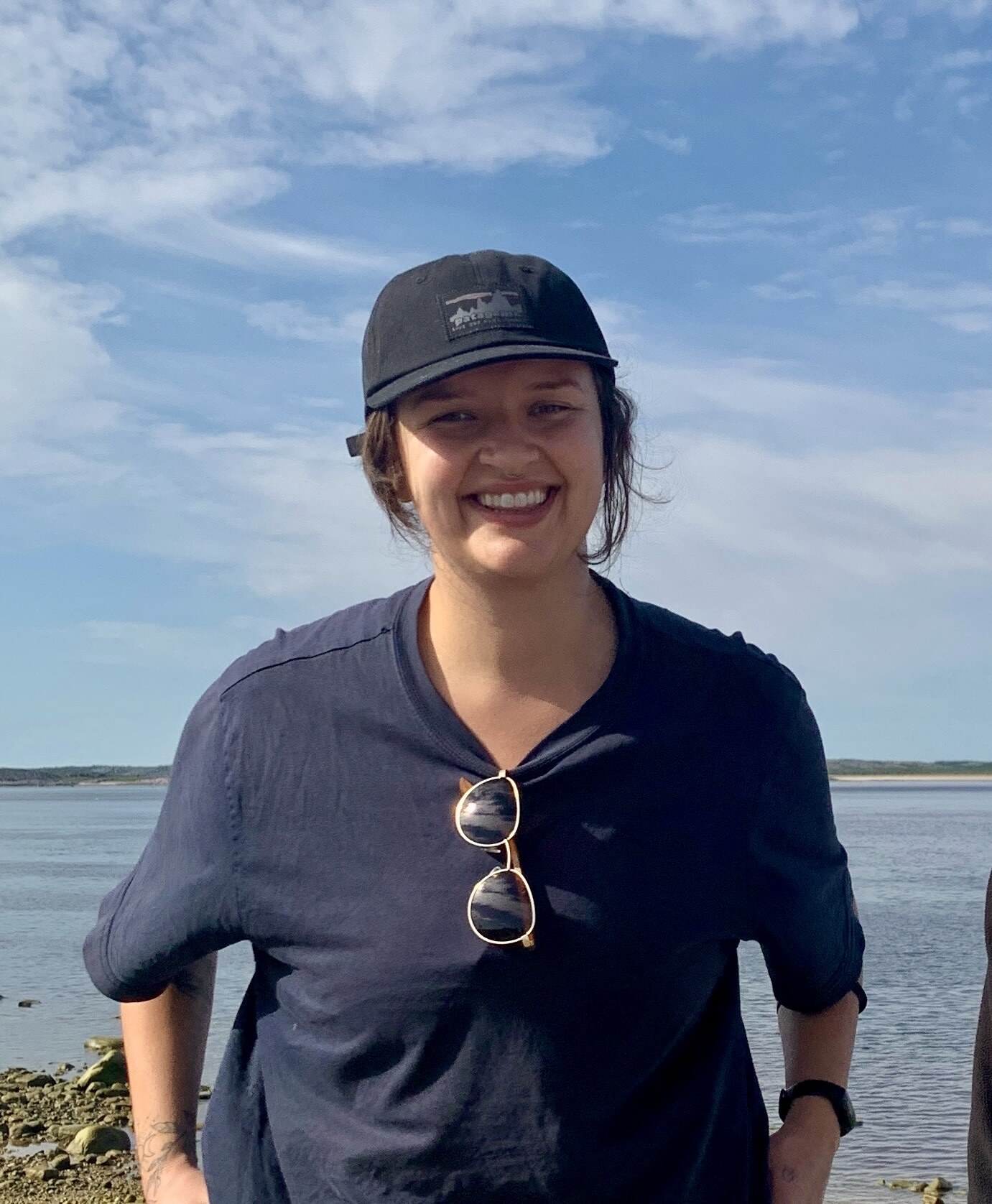
Kim Lebel is graduating this spring from the Bachelor of Science in Animal Bioscience program and will be entering the Animal and Poultry Science master’s program with Dr. Ryan Brook (PhD) as a thesis supervisor. Lebel is a Red River Métis citizen with Michif family ties to Lonely Lake, Fishing River, and Sandy Bay, Manitoba areas.
“Caribou populations across Canada have declined drastically, prompting research into key drivers,” said Lebel. “Specifically, I’m studying the Cape Churchill caribou herd – roughly 2,000 to 3,000 individuals - within Wapusk National Park. My research utilizes a network of trail cameras in the park that allows us to study the caribou with minimal disturbance.”
“Analyzing year-round photo data allows us to assess calf survival rates and the impact of wolves. This research aims to gain a better understanding of factors driving caribou decline and refine wildlife monitoring models, paving the way for more effective, less invasive conservation strategies across the board.”
Bella Amyotte
Research project: Evaluation of chickpea germplasm for potential tolerance to different modes of actions of herbicides
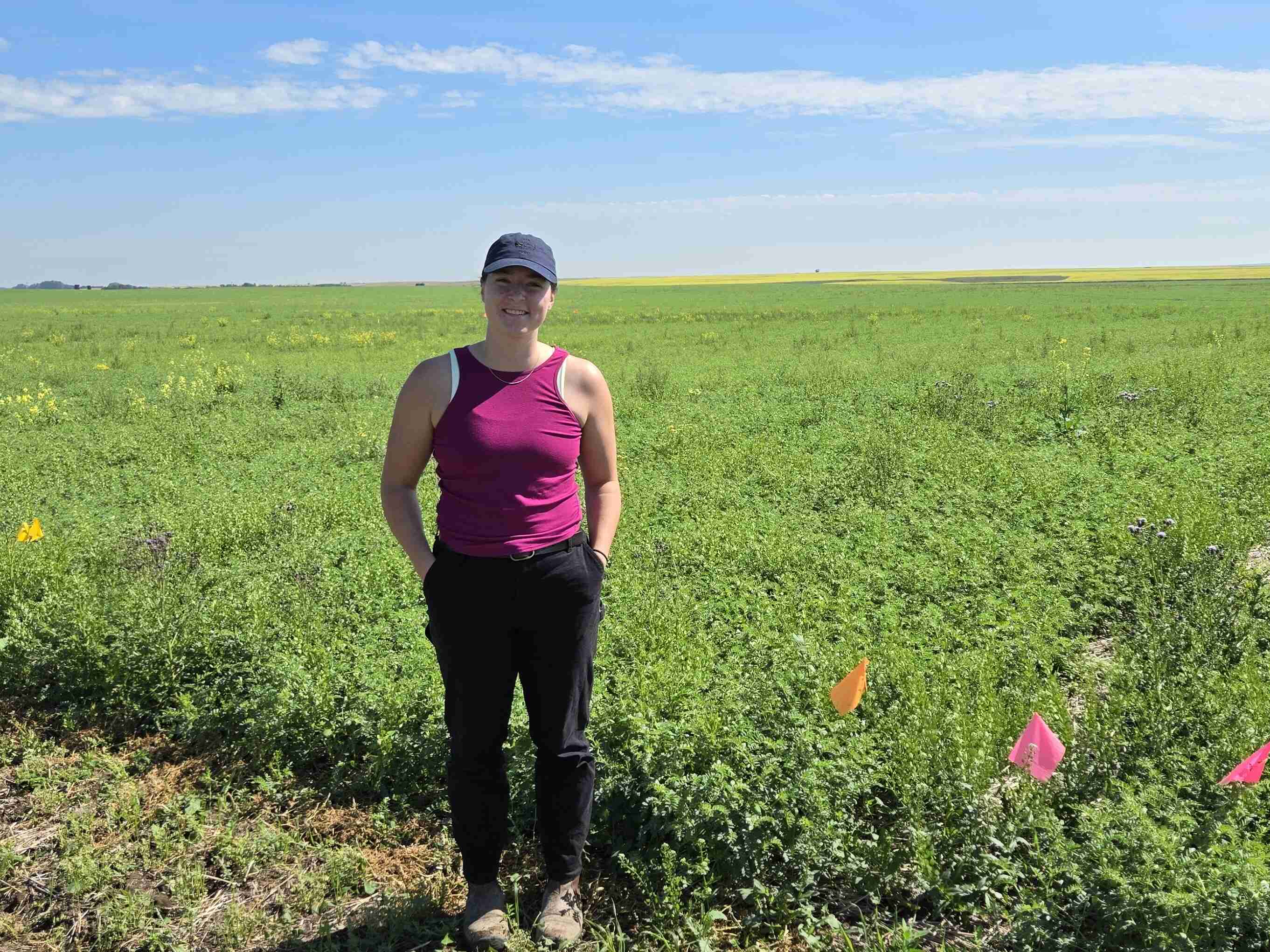
Bella Amyotte is pursuing a Master of Plant Sciences with Dr. Bunyamin Tar’an (PhD) as her thesis supervisor. She is a Métis student from Prince Albert, Sask.
“The aim of my graduate research is to identify tolerance to different herbicide groups in chickpea to offer better weed control to Saskatchewan farmers,” said Bella Amyotte. “Chickpeas are poor competitors with weeds in the field and often experience reduced yields from weed infestations.”
“My project consists of indoor trials that take place in controlled growth chambers. Populations of chickpeas are sprayed with herbicide, and individual plants are selected based on their visible injury. The seed of selected plants will then be used for field trials in the 2026 season to perform herbicide screenings at a larger scale, under real-world conditions.”
Jolynn Amyotte
Research project: Influence of biological soil crusts on early soil forming processes in mine tailings
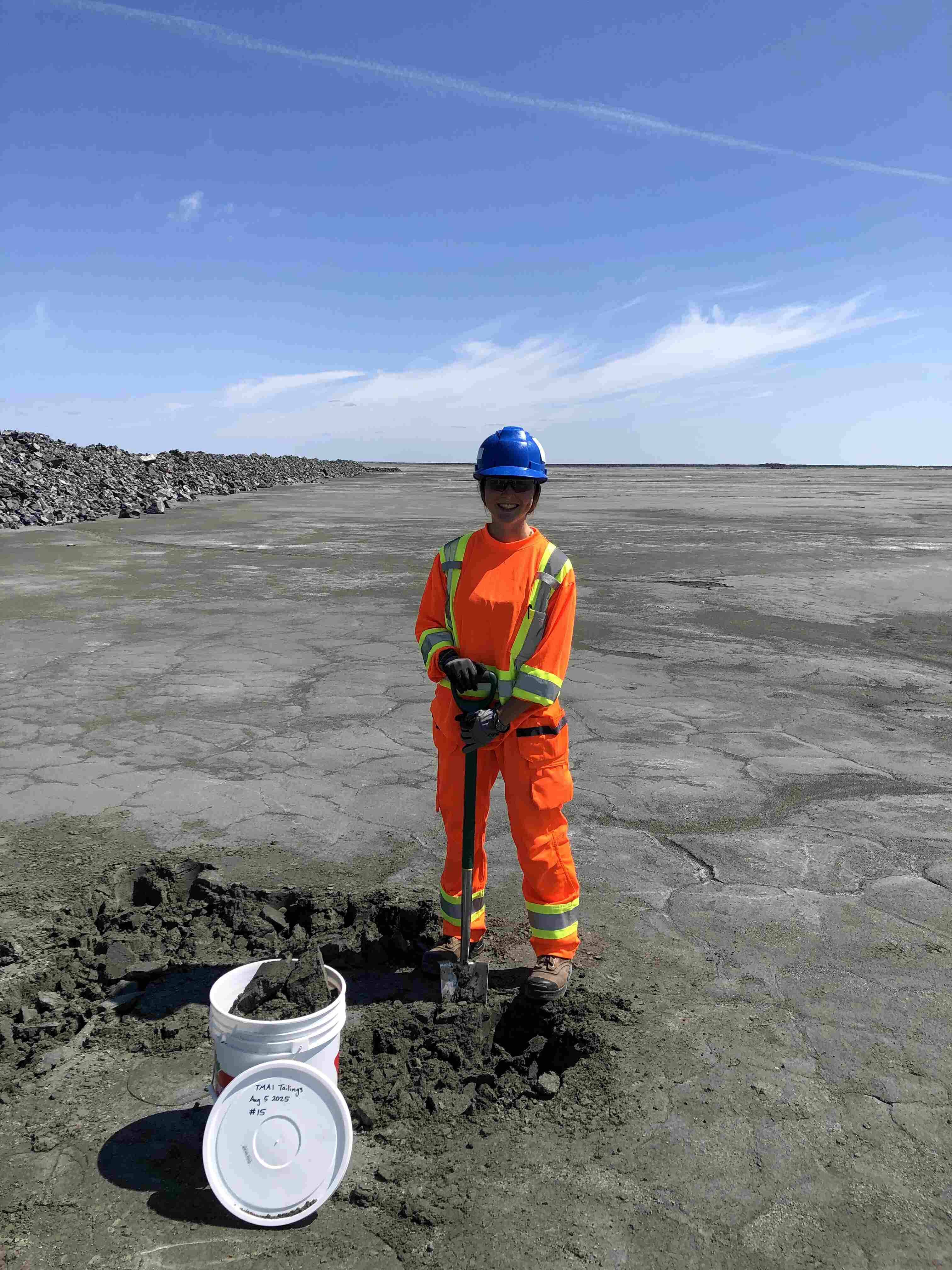
Jolynn Amyotte is pursuing a Master of Soil Science with Dr. Katherine Stewart (PhD) as her thesis supervisor. She is a Métis student from Deer Ridge, Sask.
“For my graduate research, I will be conducting a greenhouse trial to propagate biocrusts (i.e. moss and lichen) directly onto tailings collected from a mine site in northeastern Ontario,” said Jolynn Amyotte. “After propagating these biocrusts, we will then transfer them into a leachate trial where we will collect the porewater that is leached from beneath the biocrust, followed by synchrotron analyses of the tailings.”
“The objectives are to determine which biocrust species propagate best on tailings, which organic acids are leached from the biocrusts, and how the leached organic acids interact with the tailings to accelerate mineral weathering and soil formation processes.”
Morgan Fleming
Research project: Investigating haskap berry phenolic structure and synergy: impacts on human fibroblast intracellular stress, genome organization, and function
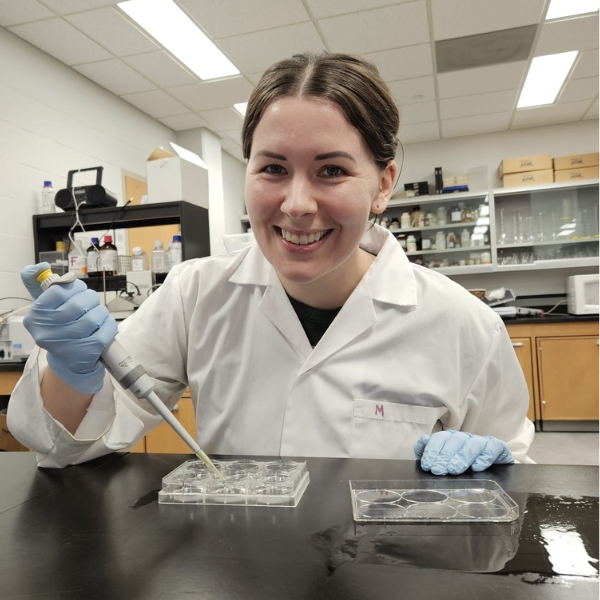
Morgan Fleming is pursuing a PhD in Food Science. She is a Métis student born in Lloydminster, Sask. Her thesis supervisors are Dr. Christopher Eskiw (PhD) and professor emeritus Dr. Nicholas Low (PhD).
“Diet strongly influences health,” said Fleming. “Although this is well known, we do not fully understand how specific nutrients support health at the cellular level. Phenolic compounds are non-essential nutrients produced by plants that are known for their antioxidant benefits. However, it is unclear whether phenolics improve health through additional mechanisms or whether certain phenolics work better together than alone.”
“To address this, I investigate the impacts of phenolics from locally grown haskap berry, individually and in combinations, on healthy human cells and evaluate indicators of health. This research will reveal new mechanisms by which diet supports long-term health and healthy aging.”
Jeremy Irvine
Research project: Development of an integrated pest management program for Hypera nigrirostris (Coleoptera: Curculionidae) in red clover seed production
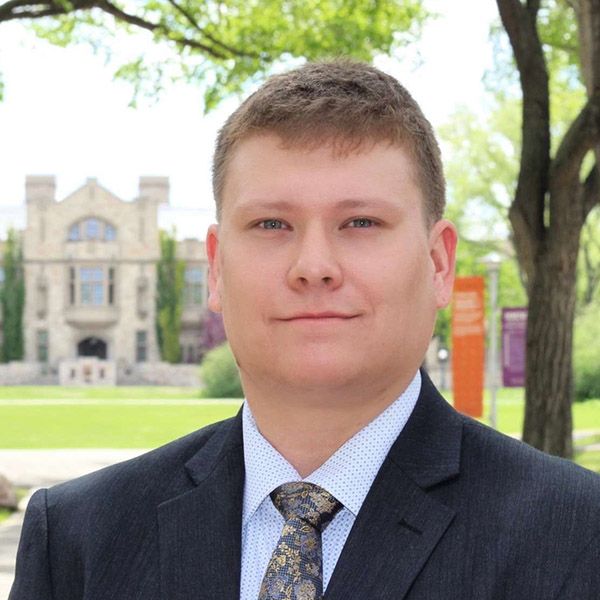
Jeremy Irvine is pursuing a PhD in Plant Sciences under the supervision of Dr. Sean Prager (PhD). He is a member of Yellow Quill First Nation (No. 376; Treaty No. 4).
“My research helps farmers protect red clover seed crops from a small beetle called the lesser clover leaf weevil, which can dramatically reduce seed yields,” said Irvine. “Instead of relying only on insecticides, I study when the pest actually causes economic damage and how to monitor it effectively.”
“I also work on alternative tools, like traps that use the insect’s own scent signals. The goal is to help farmers spray only when necessary, lower costs, protect beneficial insects like pollinators, and make red clover production more sustainable.”